From Hollywood icons and global music superstars to sporting legends and social media personalities, celebrities are increasingly transforming their influence into powerful commercial ventures. But behind the glamour, endorsements and millions of followers lies a sophisticated business strategy: turning personal recognition into long-term wealth.
Fame has always carried commercial value. For decades, celebrities have been paid to endorse products, appear in advertising campaigns and lend their names to established brands. Today, however, the relationship between celebrity and business has evolved considerably.
Rather than simply promoting someone else’s products, an increasing number of entertainers, athletes, fashion personalities and digital creators are becoming entrepreneurs in their own right. They are launching companies, investing in emerging industries, developing consumer brands and building business portfolios that extend far beyond their original professions.
The result is a new generation of celebrity entrepreneurs who understand that influence can be more than a platform for recognition. When strategically developed, it can become a valuable business asset.
For the readers of Global Millionaire, this transformation offers an interesting perspective on modern wealth creation: the intersection of personal branding, commercial opportunity, strategic investment and entrepreneurial vision.
From Celebrity Status to Business Ownership
The traditional celebrity business model was largely built around endorsements. A famous personality would partner with an established company, appear in advertisements and receive payment for promoting its products.
While endorsements remain commercially important, today’s celebrity entrepreneurs are increasingly interested in owning a piece of the business itself.
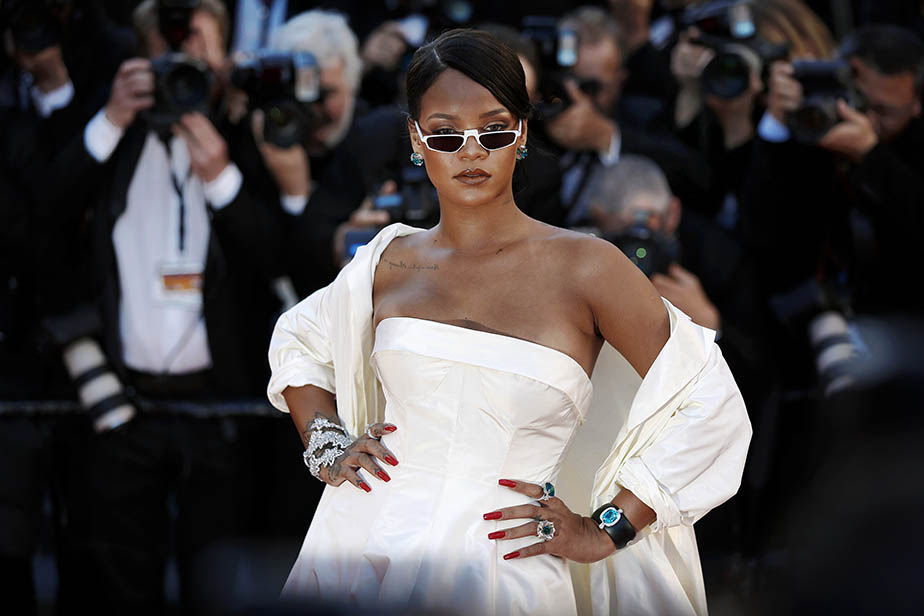
Consider the global beauty industry. Rihanna transformed her international recognition into Fenty Beauty, building a brand recognised for its inclusive approach to beauty and product development. Rather than relying solely on endorsement arrangements, she became directly involved in a business with its own identity, products and commercial strategy.
Similarly, Jessica Alba co-founded The Honest Company, developing a consumer brand centred on household and personal care products.
In the entertainment industry, Jay-Z has developed a diverse business portfolio spanning music, entertainment, investments and luxury ventures. His entrepreneurial journey demonstrates how an established entertainment career can become a foundation for broader commercial interests.
These examples highlight an important distinction: celebrities who simply promote products generate income from their influence, while those who build or acquire businesses have the opportunity to participate in the creation of long-term enterprise value.
The Power of Personal Branding
In today’s competitive marketplace, a recognisable name can be one of a business’s most valuable assets.
Consumers often develop strong connections with public personalities through their work, achievements, lifestyles and personal stories. This familiarity can create an immediate level of awareness when a celebrity introduces a new product or service.
However, personal branding is about much more than being famous.
Successful celebrity entrepreneurs understand the importance of establishing a clear identity, communicating a consistent message and building trust with their audience.
A fashion personality might introduce a clothing label that reflects their individual style. A professional athlete could develop a fitness or wellness brand based on their sporting experience. An entertainer might establish a production company, record label or entertainment venture.
The strongest commercial opportunities often emerge when a business feels like a natural extension of the individual’s existing identity.
For entrepreneurs outside the entertainment industry, the lesson is equally valuable. Building a recognisable professional reputation, establishing credibility and communicating a clear point of difference can help create commercial opportunities even without celebrity status.
In an increasingly crowded marketplace, people do not simply buy products. They also connect with stories, values and identities.
Social Media: The New Business Launchpad
One of the biggest developments influencing celebrity entrepreneurship has been the rise of social media.
Platforms such as Instagram, TikTok, YouTube and other digital channels have fundamentally changed how businesses reach potential customers.
Previously, launching a major consumer brand often required substantial advertising budgets, established retail relationships and access to traditional media. Today, entrepreneurs can introduce products directly to international audiences through their own digital platforms.
For celebrities with established communities, this can provide an enormous commercial advantage.
A product announcement can reach millions of followers almost instantly. Behind-the-scenes content can introduce a brand’s personality, while interactive posts allow businesses to engage directly with potential customers.
The digital environment has also created opportunities for entrepreneurs who may not have traditional celebrity status. Influencers, content creators and industry specialists have developed commercially valuable audiences by building communities around particular interests.
However, audience size alone does not guarantee business success.
Engagement, consumer trust, purchasing behaviour and the relevance of the product are equally important. A smaller but highly engaged audience can sometimes deliver greater commercial value than a much larger audience with limited interest in the product.
For the modern entrepreneur, influence must ultimately translate into meaningful customer relationships.
Beyond Endorsements: Ownership, Investment and Diversification
One of the most important characteristics of successful celebrity entrepreneurs is their willingness to look beyond immediate commercial opportunities.
Instead of relying exclusively on endorsement fees, some invest in companies, acquire equity, establish partnerships or develop businesses that operate independently of their public appearances.
Ashton Kutcher, for example, has established a profile in technology investing through ventures including Sound Ventures. His involvement in the investment world illustrates how knowledge, networks and financial capital can be directed towards opportunities outside the entertainment industry.
Serena Williams has also developed an investment profile through Serena Ventures, supporting businesses across a range of industries.
These examples demonstrate that celebrity entrepreneurship is not limited to launching beauty products, clothing collections or merchandise. It can also involve venture capital, technology, consumer businesses and emerging industries.
Diversification is particularly important when considering the unpredictable nature of fame.
Entertainment careers can change, sporting careers eventually come to an end, and public attention can shift rapidly. Building business interests outside an individual’s original profession can create additional opportunities and potentially reduce reliance on a single source of income.
For high-net-worth individuals, this approach also highlights the importance of evaluating investments according to commercial fundamentals rather than popularity or public profile.
The Risks Behind the Glamour
Although celebrity-backed businesses can enjoy significant advantages, fame does not guarantee commercial success.
A recognisable name may generate initial attention, but maintaining a profitable business requires far more than publicity.
Product quality, pricing, operational management, customer service, distribution, financial planning and competitive positioning remain essential.
There are numerous challenges that can affect celebrity ventures, including expensive marketing campaigns, supply chain disruptions, changing consumer preferences and intense competition.
There is also the risk of reputational damage. When a business is closely associated with an individual’s public image, controversies or changes in consumer perception can affect the commercial value of the brand.
Another important consideration is the distinction between business revenue and personal wealth. A company generating substantial sales does not necessarily mean its founder has achieved equivalent financial success. Operating expenses, debt, investment obligations and ownership structures all influence the actual financial outcome.
The most successful celebrity entrepreneurs recognise that building a business requires professional expertise. Experienced executives, financial advisers, legal specialists, product developers and operational teams often play important roles behind the scenes.
Fame might open the door, but business discipline is what helps keep it open.
The Rise of the Creator Entrepreneur
The celebrity entrepreneur phenomenon is no longer restricted to Hollywood actors, internationally recognised musicians or professional sporting champions.
A new generation of digital entrepreneurs is emerging through online content, social media communities and specialised expertise.
Beauty creators are developing cosmetics businesses. Fitness personalities are launching training platforms. Fashion influencers are establishing clothing labels. Business commentators are creating educational programmes and subscription-based services.
Some have built substantial commercial operations without ever appearing in a traditional film, television programme or major sporting event.
This development is changing the definition of celebrity itself.
In the digital economy, influence can be built around knowledge, creativity, personality and community rather than conventional fame.
For emerging entrepreneurs, this creates opportunities to establish a personal brand and develop commercial ventures around a clearly defined audience.
The challenge is turning attention into sustainable business value. This requires understanding what an audience genuinely needs, developing products that deliver on their promises and building relationships that extend beyond social media engagement.
What Entrepreneurs Can Learn From Celebrity Business Empires
There are several valuable lessons that entrepreneurs and aspiring business owners can take from the celebrity entrepreneur model.
1. Build a brand before you sell a product.
A clear identity and recognisable reputation can help differentiate a business in a competitive marketplace. Establish what your brand represents and communicate that consistently.
2. Turn influence into ownership.
Rather than relying exclusively on paid promotions, consider opportunities to develop products, establish partnerships or invest in businesses where you have a genuine understanding of the market.
3. Understand your audience.
A successful business needs more than attention. It needs customers who see genuine value in what is being offered. Research your market and understand the problems your products or services solve.
4. Surround yourself with expertise.
Successful entrepreneurs understand that they cannot manage every aspect of a growing business alone. Building relationships with experienced professionals can strengthen decision-making and support sustainable growth.
5. Think beyond short-term profits.
Building a valuable business requires a long-term perspective. Focus on customer loyalty, operational efficiency, brand reputation and opportunities for expansion.
6. Diversify intelligently.
Relying on one product, platform, industry or income stream can create unnecessary vulnerability. Explore opportunities to develop a more resilient business portfolio while understanding the risks associated with each investment.
The Future of Fame, Influence and Wealth
As technology continues to reshape the global economy, the relationship between celebrity and entrepreneurship is likely to evolve further.
Artificial intelligence, digital commerce, international online marketplaces and new forms of entertainment are creating additional opportunities for personalities to develop businesses and reach consumers across geographical boundaries.
The next generation of celebrity entrepreneurs may emerge from unexpected industries, combining professional expertise, digital influence and innovative business models.
For established celebrities, the challenge will be to transform existing recognition into sustainable commercial value. For emerging entrepreneurs and creators, the opportunity lies in building influence through credibility, creativity and meaningful engagement.
Ultimately, the most successful business empires are not built on fame alone. They are built on sound ideas, strong execution, strategic partnerships and the ability to recognise opportunities before they become mainstream.
The Global Millionaire Perspective: Fame Is an Asset, But Business Acumen Builds the Empire
The celebrity entrepreneur phenomenon offers a compelling lesson about modern wealth creation: recognition can create opportunities, but it is how those opportunities are developed that determines their lasting value.
A famous name may attract attention, a large following may generate demand, and a successful career may provide the capital to invest. Yet none of these guarantees a sustainable enterprise.
The real advantage comes from understanding how to turn visibility into credibility, credibility into commercial opportunity and commercial opportunity into long-term business value.
For the aspiring entrepreneur, the message is clear. You do not need millions of followers or a household name to begin building a business empire. You need a valuable proposition, a clear vision, the discipline to execute and the willingness to adapt.
At Global Millionaire, we recognise that wealth creation takes many forms. Whether through entertainment, fashion, technology, investment or traditional enterprise, the entrepreneurial mindset remains a powerful driver of opportunity.
Because in today’s global marketplace, fame may create the spotlight, but vision, strategy and business acumen determine what happens after the lights come on.